Many timeless tales are associated with the folk culture and are woven into the cultural, social and ritualistic fabric of Odisha. One such immortal tale is that of Tapoi and the Khudurukuni puja (osa) observed by young unmarried girls even today.
The Story Of Tapoi
Tapoi was the youngest sister among seven brothers in a wealthy merchant family. She grew up in affluence and affection till a time when an old wicked widow asked her to demand a gold moon- shaped ornament from her parents.
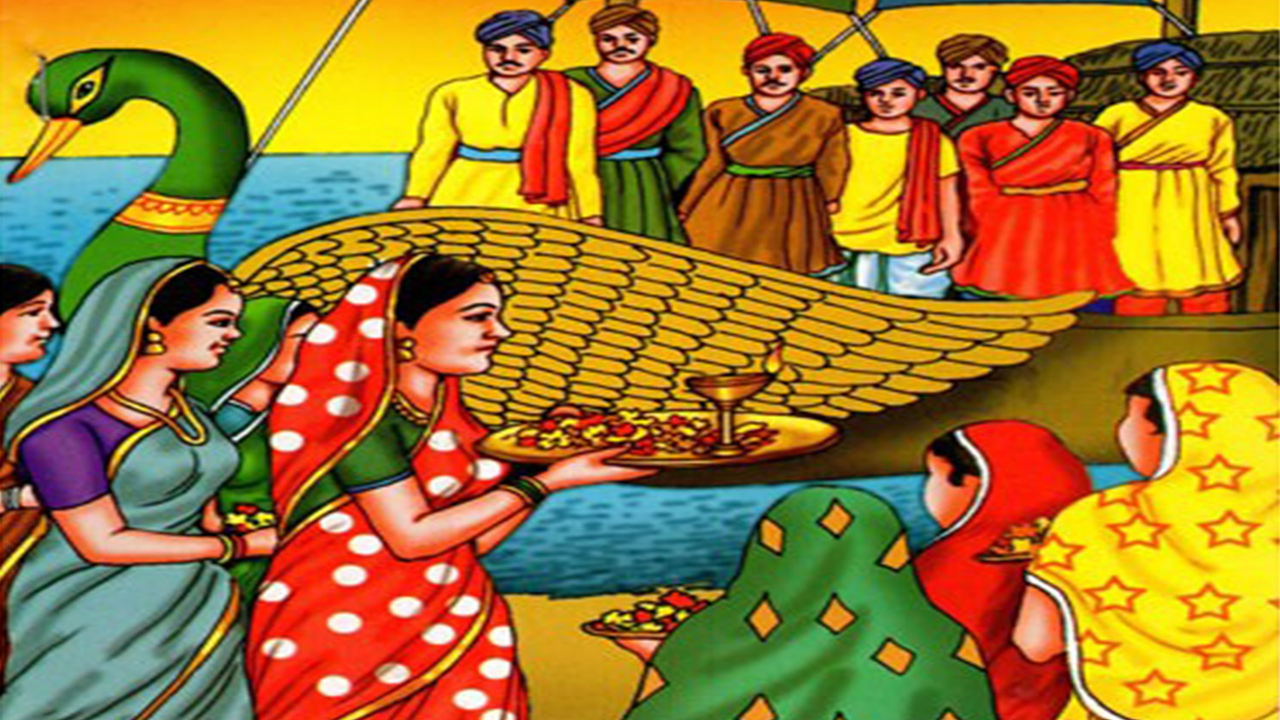
This expensive article drained their resources forcing them into penury. Soon the parents died and the brothers had to embark on a voyage to regain their lost fortune.
Odisha’s Maritime History
Odisha with a long coastline, had trade relations with many South Eastern countries like Java, Borneo, Sumatra and Bali. This maritime trade was woven into the economic fabric and was an integral part of Odisha’s commerce.
Sibling Attachment
Though the brothers had categorically asked their wives to treat Tapoi with love and care, all but one treated her most cruelly being influenced by the wicked widow.
Khudurukuni
Tapoi was sent to the jungle to tend the goats, she was given broken rice husks (khudo) to eat. One stormy evening she lost a favourite goat, terrified, she joined local girls in the temple of Goddess Mangala and made an offering of the broken rice (khuda) to appease the deity, and got back her goat.
Poetic Justice In The Story Of Tapoi
The brothers returned loaded with wealth. They were in pain to see their only sister emaciated, famished and in rags. Soon they discovered the truth about their wives.
Only the youngest one had been kind to Tapoi. The brothers decided to punish the evil wives and disguised Tapoi as a deity and got her to chop off their noses when they came to worship her. This was also a tale of retribution and punishment for moral impropriety.
Summing up
The article traces the historical, geographical, ritualistic and commercial and belief systems of mediaeval Odisha, Kalinga.