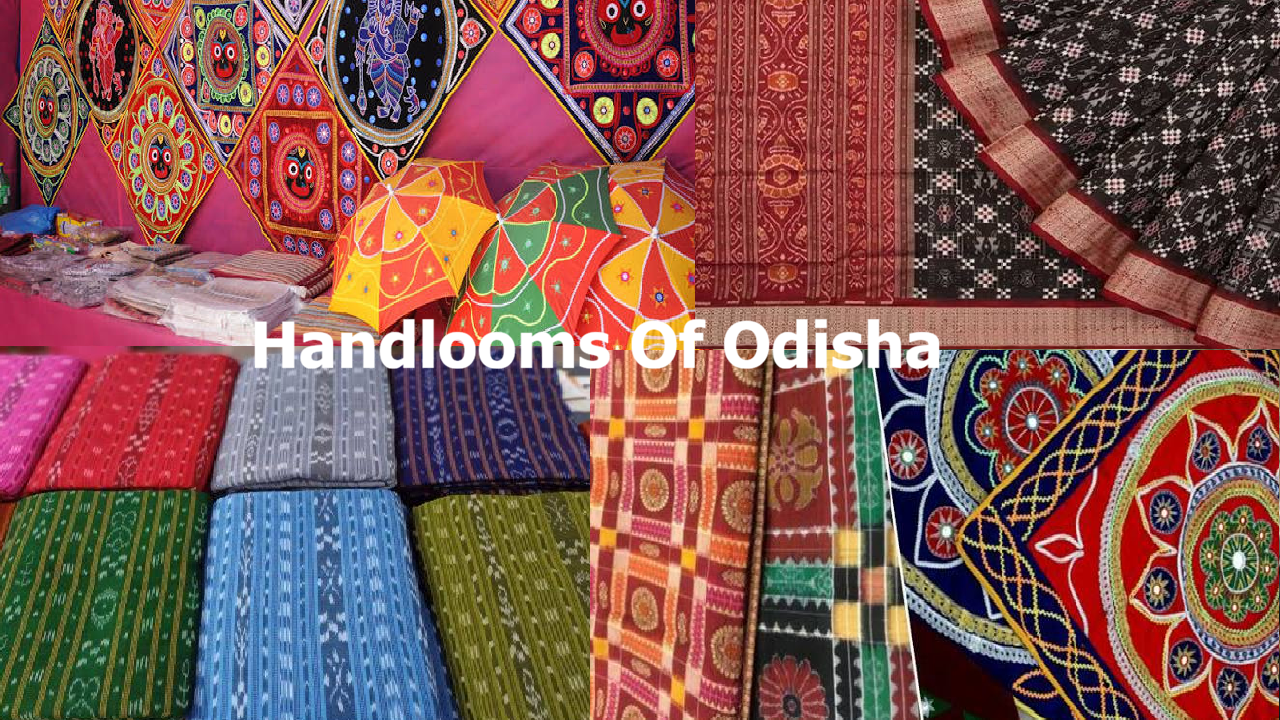
The handlooms of Odisha that drape and adorn a lady is much more than just a fabric, it is a tradition that speaks of the weavers with myriads of hues and motifs.
The weaving tradition of the state is one of the oldest in India, which reflects the history of Odisha. Woven into the fabric are temples, villages all carrying stories told on fabric by skilled artisans.
For days together the threads are tied, dyed and woven to showcase a rich heritage. Each loom is a combination of craft, art and culture, with its own distinct identity.
Here the list of sarees are enumerated each distinctly different, the list is inexhaustible:
The Sambalpuri
This handloom of Odisha comes from the western districts of Bargarh, Sonepur, Sambalpur and adjoining areas. This saree is famous all over , woven using tie and dye and ikat (bandha) method, it incorporates iconic motifs and symbols such as phula(flower), shankha(conch), chakra (wheel). Generally the colours red, black and white are used to honour Lord Jaganath. Both silk and cotton fabrics are used.
Khandua Pata (Maniabandi)
This saree has a deep temple link, and is woven mainly in Nuapatna (Cuttack).These light weight silk and cotton sarees have verses from Gita Gobinda on its body and have Odisha’s first GI tag in 2005.
Bomkai
This Sonepuri pata handloom of Odisha combines ikat with rich embroidered tribal motifs on its border and anchal (pallu). He silk version is often used as a bridal saree.
Pasapalli
This saree represents a check board or ( passa ) a game popular amongst the royalty. This look comes from the skilled tie and dye weave, these sarees require great training and costs more.
Berhampur Pata (Phoda Kumbha)
This silk saree originates from Behrampur in Ganjam. This pure silk saree has a rich , smooth feel and is sought after for its border with temple spire motifs. This border along with the fabric makes for its regal look.
Kotpad Saree
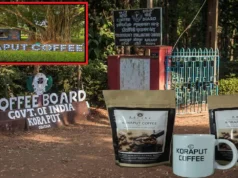
The Mirgan community of Koraput are specialised weavers of this variety , this is also a GI tagged product. Natural dyes from the roots of aal tree is used and come in tones of dull maroon , brown and deep red. The yarn is dyed only with natural colours and the fabric has a muted soft look. Perfect for a classy, earthy choice. The motifs like fish ,axes and spires too are in keeping with the style.
Dolabedi
This saree from western Odisha has bright colours and intricate ikat work. Since it is linked to the Dola festival and is linked to the temple it carries festival motifs and is woven in both cotton and silk.
Habaspuri
This Habaspuri saree belongs to Kalahandi district. This saree has a GI tag and was almost near extinction when it was revived by local weavers. Woven mainly with fine cotton thread it is light and is good for casual wear.
Gopalpur Saree
Aspeciality of Gopalpur, Jajpur district uses tussar silk which has a earthy matte texture.It has a golden, shiny base on which is woven tie and dye patterns.This saree is good for warm weather and casual wear.
The unique hallmark of the weaving technique is Bandhkala or Ikat ,where warp and weft threads are tie dyed before mounting it on the loom. There are variations like Hazar Buti, (thousand motifs) and Nabakothi (nine box grid motifs).
These signature handlooms of Odisha have been given a GI tag. The rich handloom heritage is famous not only in the country but also worldwide.